
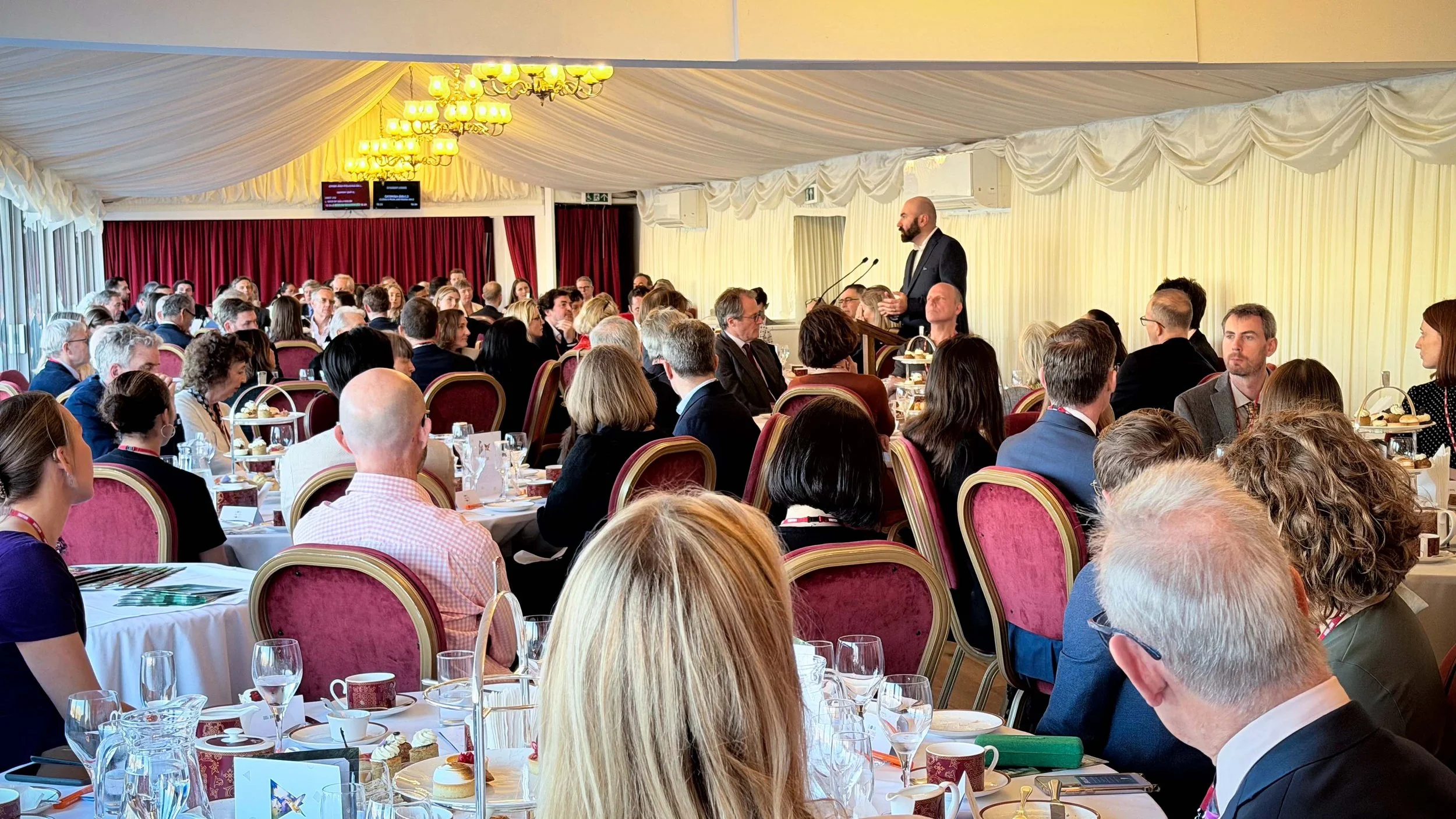
I recently received an invitation to play some of my soundscapes and to tell stories about conservation. While there’s nothing unusual about that, the setting was definitely novel for me. The invitation was from Lord Zac Goldsmith and Jack Chellman of the Global Returns Project, and the event took place at the House of Lords at Westminster Palace in London - the meeting place of Parliament.
I only had a 30 minute slot for my keynote presentation so I decided to introduce myself and my work for 5 minutes and then play 5 soundscapes of around 5 minutes each. I wanted them to be relevant to the conservation topic, memorable and poignant. I also wanted there to be a bit of story arc, with a slightly depressing beginning, a bit of tension throughout, and a nice and positive ending. I played each sound for a minute on its own, then I spoke about it for 4 minutes, and then on to the next sound. Rinse and repeat. Listen to the final selection in the video below.
We begin with a pretty alarming one - the sounds of glaciers cracking, groaning and bubbling at Flaajokull in Iceland. I was ther a couple of years ago and this soundscape touched me deeply. With the help of Dr Thorvardur Arnason I explored the landscapes there in relative safety, and I managed to get very close to the huge wall of ice. Unfortunately what is a very interesting sound to my ears is also a reflection of the accelerated pace at which glaciers are melting and collapsing.
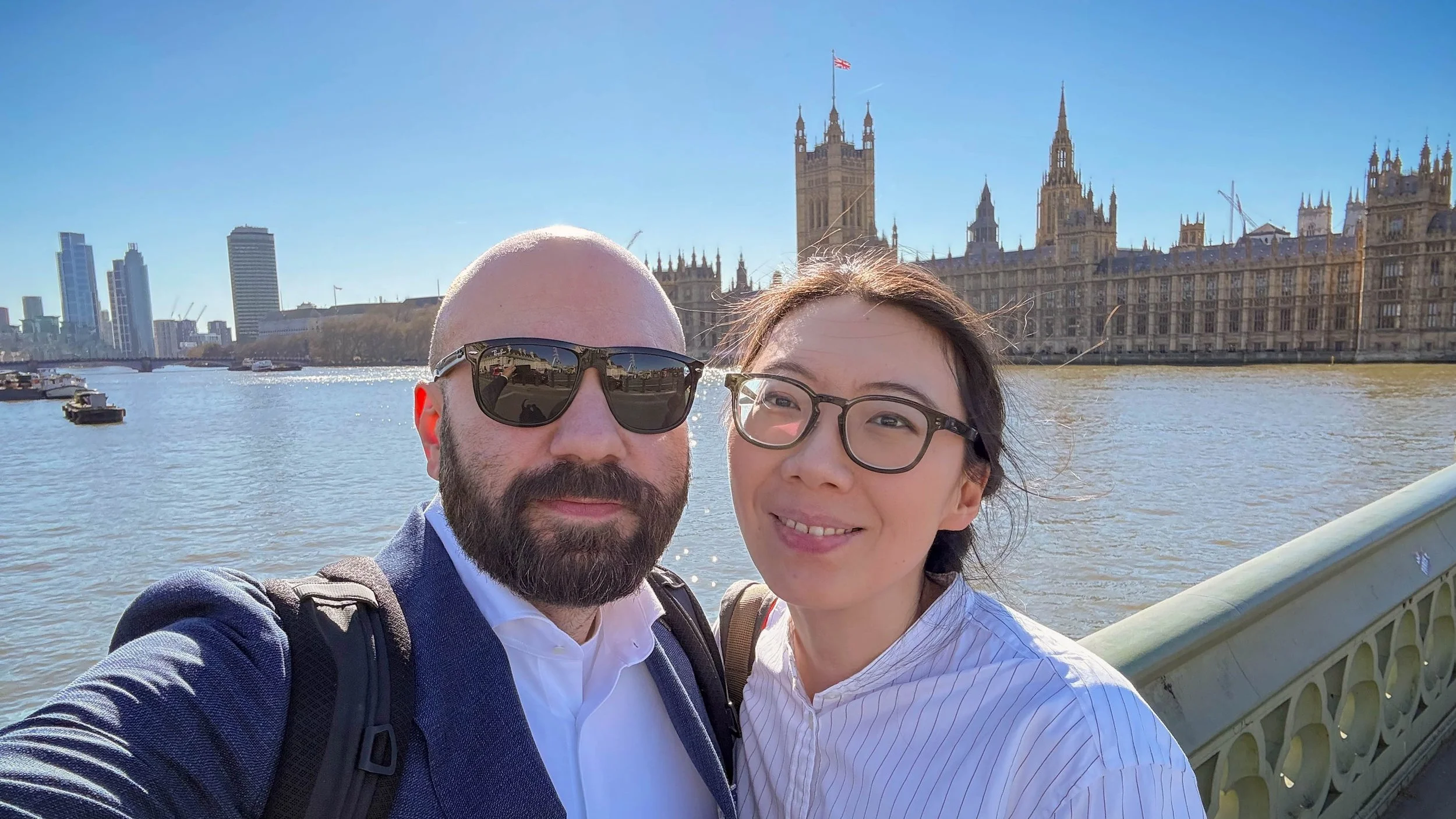
Me and my wife with Westminster Palace in the background
The second sound recording is a bush fire in Senegal. Bush fires are generally damaging and destructive, but small, controlled ones have been used as tools for landscape management since time immemorial. It’s the context of climate change and chaotic seasons that can derail this age-old practice, even when it’s done right.
Part three is the sound of rain in the desert, captured in the Namib with a pair of mikroUsis on a dead tree. The rain only lasted for about 5 minutes, but the tense dead wood resonated like a marimba when raindrops hit it. I call this Chromatic rain and it’s one of my all-time favourite recordings. The climate change aspect here is that some rain in the desert is very welcome, but the change in seasons and climate patterns is bringing huge and destructive storms to these dry landscapes.
At this stage we’ve heard enough recordings that induce anxiety, so I wanted to steer the audience towards purely positive feelings. The fourth recording is the haunting sound of humpback whales singing off the coast of Madagascar in a little bay. Whale song recorded by Roger Payne was instrumental in the movement that achieved the end of whale hunting in the 70s and 80s. The audience really enjoyed and resonated with this.
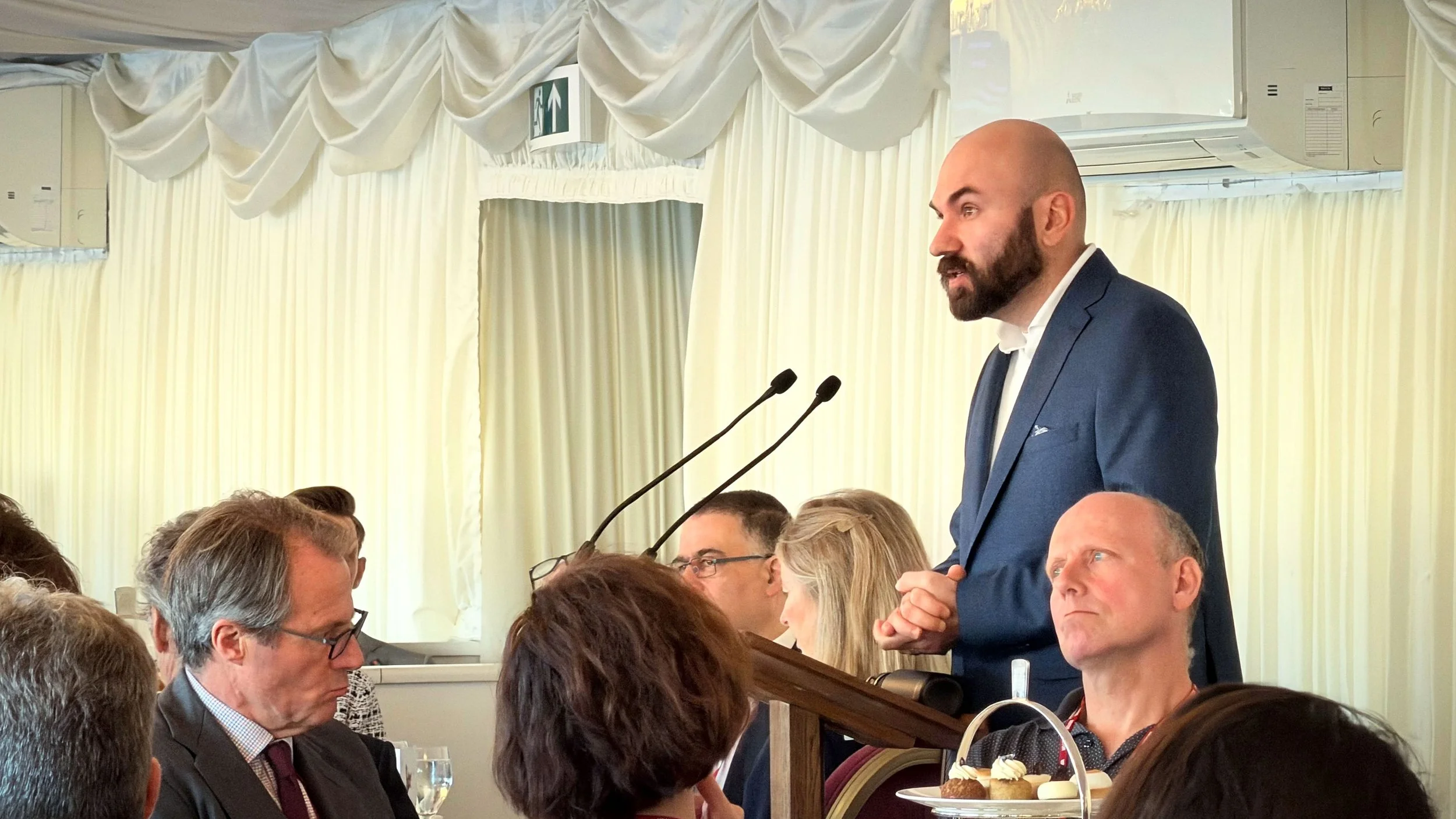
Depressing the audience with my recordings
I chose to end on a high note, with a beautiful dawn chorus recorded in Papua New Guinea. When I went on location in PNG I was told that people in many villages hunt and eat any living animal, which creates a de facto dead zone of a few km around every village. This is depressing to think about, but of course I cannot blame people for choosing to feed their family over conserving birds of paradise or other rare fauna. Luckily there are parts of this landscape where the influx of tourists interested in seeing the birds of paradise has created a grassroots conservation movement. People identify bird nests and leks on their property and safeguard them so they can receive a bit of money every time a photographer or birdwatcher comes to see these fascinating creatures.
We had some technical issues which meant that my wife had to do the impromptu job of live sound engineer, but otherwise everything went very well. The attendees were immersed in and enraptured throughout my presentation. We did not have a screen so the video was not visible for anyone, but that did not matter (or maybe it made everything more intriguing).
At the end I had multiple people thank me and congratulate me on my work. The sounds and stories clearly resonated with the audience and left a lasting impression. I was very happy with how it went and the organisers managed to raise a hefty sum for conservation NGOs. Win win!